Comprehending Heating And Cooling: Common Problems of AC Systems and Their Solutions
Cooling and heating systems play an important duty in preserving indoor comfort. However, air conditioning systems frequently run into typical troubles that can hinder their efficiency. Concerns like poor cooling, unusual noises, and regular cycling can suggest much deeper mechanical issues. Additionally, water leakages and undesirable odors can compromise air quality. Recognizing these obstacles and their options is essential for reliable maintenance. What actions can homeowners require to guarantee their AC devices operate successfully?
Inadequate Cooling Performance
What triggers inadequate cooling efficiency in a cooling and heating system? Numerous aspects can add to this concern. A common cause is a dirty air filter, which limits air flow and minimizes cooling efficiency. Furthermore, low cooling agent degrees as a result of leaks can prevent the system's capability to soak up warm efficiently. An additional prospective trouble might occur from a malfunctioning thermostat, bring about inaccurate temperature readings and inappropriate cooling cycles. Obstructed or dirty condenser coils can likewise prevent warm dissipation, more impacting performance. Finally, ductwork concerns, such as leaks or blockages, can lead to uneven cooling throughout a space. Recognizing these issues promptly is important for maintaining excellent cooling and heating function and making certain a comfortable indoor setting. Normal upkeep and assessments can aid minimize these problems and improve the system's overall effectiveness.
Unusual Noises Originating From the Air Conditioning Unit
A variety of unusual noises originating from an air conditioning system can indicate underlying issues that need interest. Typical noises consist of rattling, which may suggest loose components or particles within the device. Hissing noises frequently point to refrigerant leakages, compromising the system's efficiency. A grinding sound could show damaged bearings or electric motor concerns, while a shrill squeal could signal a problem with the compressor or a slipping belt.
Each of these noises serves as an indication that something might be wrong, potentially causing even more significant damages otherwise resolved promptly. House owners should stay clear of neglecting these acoustic hints and take into consideration consulting a qualified a/c service technician for diagnosis and repair service. Prompt treatment can not just restore functionality but additionally expand the life expectancy of the unit. ac fix. Acknowledging these noises as indications of problem is important for maintaining peak a/c performance
Regular Cycling On and Off
Frequent biking on and off can indicate inefficiencies or malfunctions within a cooling and heating system, usually described as short-cycling. This condition can result in increased power usage and might cause unneeded endure the unit's components. Numerous factors can add to this issue, consisting of an incorrectly sized cooling unit, a malfunctioning thermostat, or unclean air filters. When an a/c device is too huge for the room, it cools down also rapidly, triggering it to cycle often without sufficiently evaporating the air. If the thermostat is damaged, it might improperly indicate the system to activate and off. Additionally, blocked or filthy air filters can restrict air movement, triggering the system to function more difficult and cycle more commonly. Resolving these concerns quickly is vital to enhance efficiency, lengthen the lifespan of the cooling and heating system, and preserve suitable interior convenience.
Water Leaks and Water Drainage Issues
Water leaks and drainage issues can present considerable difficulties for heating and cooling systems, bring about prospective damage and inadequacies. These troubles typically come from clogged condensate drains, which protect against water from draining appropriately and can cause overflow. Furthermore, harmed drain frying pans or inappropriate installation may aggravate these leaks, triggering water to collect in undesirable best site locations.
Regular maintenance is vital to stop such problems; making certain that condensate lines are clear and drain frying pans are intact can mitigate the threat of leakages. Property owners should routinely look for indicators of dampness around the unit, as very early detection can protect against a lot more substantial damages. In instances where leaks are recognized, instant action is required, which might consist of removing blockages or changing defective parts. Dealing with water my link leakages and drainage concerns not only shields the heating and cooling system yet likewise keeps indoor air top quality and comfort.
Bad Odors and Air High Quality Problems
Bad odors originating from heating and cooling systems can show severe air top quality concerns. Common sources of these undesirable scents consist of mold and mildew, mildew, or bacteria development in the ductwork, often as a result of moisture build-up. If the system has an unpleasant, stuffy smell, it might signal that the air filters are obstructed or that there wants air flow, permitting impurities to circulate. In addition, a burning smell could recommend electric issues or overheating components, requiring prompt attention.
Homeowners should consistently change air filters and schedule routine maintenance to ensure peak air high quality. Utilizing an air cleanser can additionally aid remove smells and boost indoor air quality. If odors persist despite these measures, professional examination and cleansing may be necessary to recognize and settle underlying problems. ac fix. Recognition of these odors is vital, as they can influence wellness and comfort in interior atmospheres
Often Asked Questions
Exactly how Frequently Should I Set Up A/c Upkeep?
It is recommended to arrange a/c upkeep at least yearly, ideally before the air conditioning season starts. Regular evaluations can aid identify problems early, guaranteeing effective operation and lengthening the life expectancy of the system.

What Is the Average Lifespan of an AC Unit?
The typical life expectancy of an air conditioner unit generally varies from 15 to 20 years. Elements such as maintenance, use patterns, and environmental conditions can considerably influence this duration, impacting general efficiency and efficiency with time.
Just how Do I Select the Right Dimension Air Conditioner Device for My Home?
What Are the Indications My A/c Unit Requirements Substitute?
Can I Set Up an Air Conditioning Unit Myself?
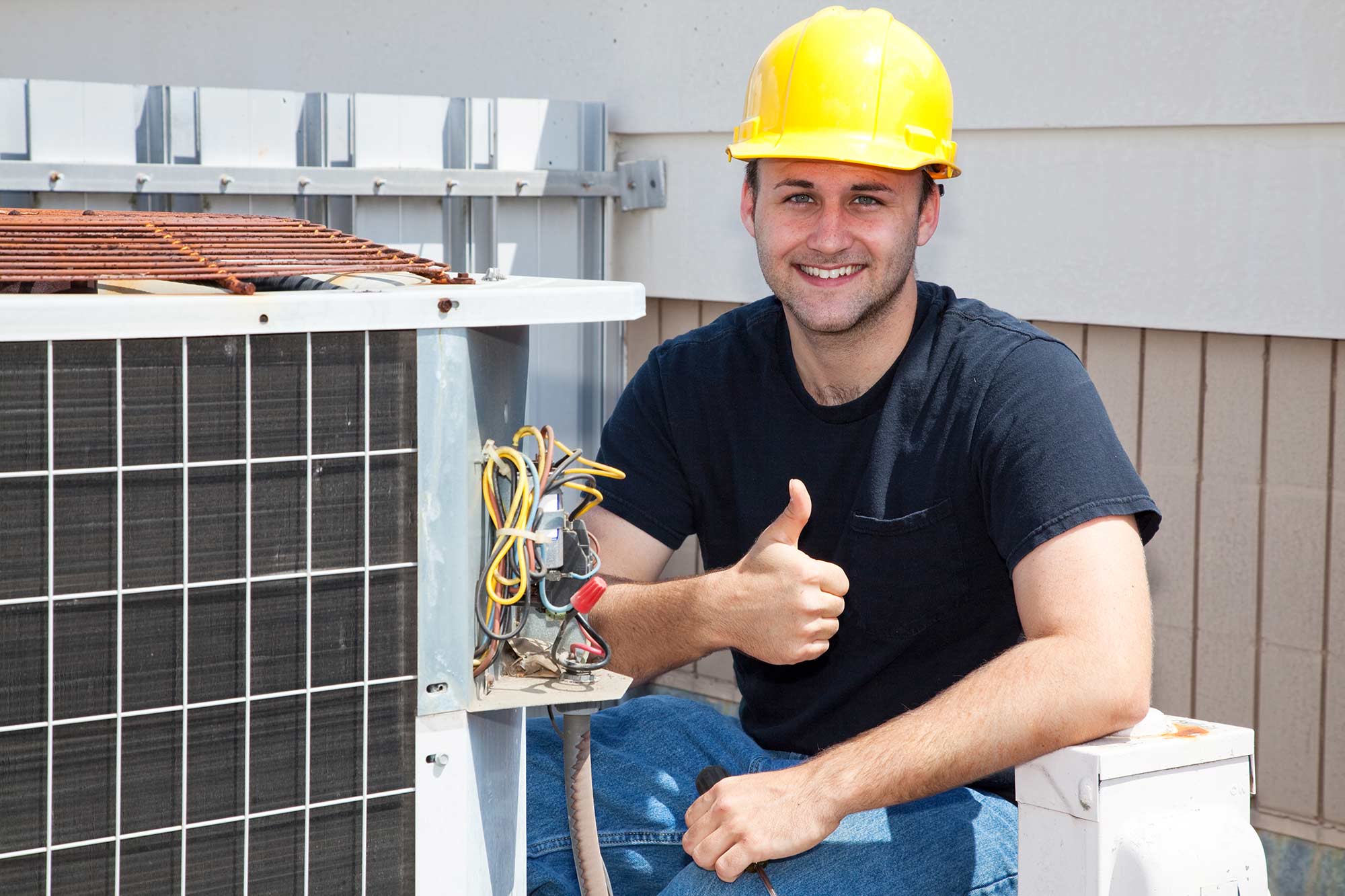
While setting up an air conditioner device oneself is possible, it requires technological knowledge and appropriate tools. ac unit replacement. Numerous people may encounter obstacles with installation, possibly leading to inadequacy or safety hazards, making expert aid recommended for ideal results
Conclusion
In summary, recognizing common cooling and heating problems and their remedies is important for maintaining efficient a/c system performance. Attending to issues such as poor cooling, unusual sounds, regular cycling, water leakages, and unpleasant smells can substantially enhance interior comfort and air high quality. Normal maintenance, including filter adjustments and timely repair work, plays a considerable role in preventing these issues. By staying proactive, house owners can assure their heating and cooling systems operate successfully, ultimately prolonging the life expectancy of their cooling systems.